

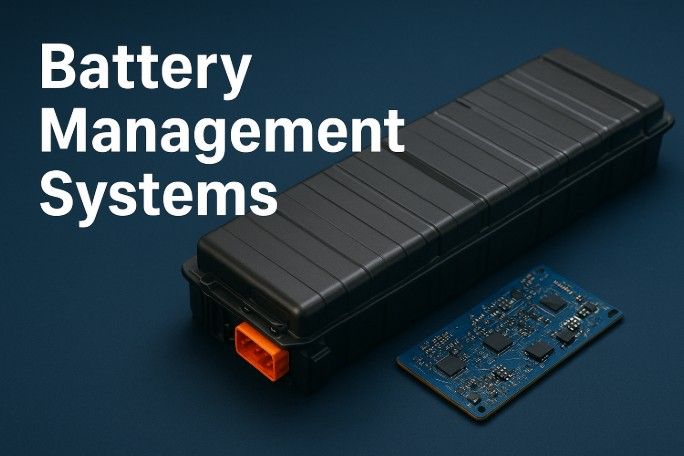
Have you ever wondered what keeps your electric vehicle battery from overheating or prevents your smartphone from catching fire while charging? The answer lies in sophisticated battery management systems that work tirelessly behind the scenes, acting as the digital guardians of our energy storage solutions.
In today’s rapidly electrifying world, battery management systems (BMS) have become the unsung heroes of modern technology. From the electric car in your driveway to the massive energy storage facilities powering our renewable future, these intelligent systems ensure that billions of batteries operate safely, efficiently, and reliably every single day.
Think of a BMS as the brain of any battery-powered system – it’s constantly monitoring, analyzing, and making split-second decisions to optimize performance while preventing potentially catastrophic failures. But what exactly makes these systems so crucial, and how do they work their magic?
What Are Battery Management Systems and Why Do They Matter?
A battery management system is essentially the central nervous system of any battery pack. It’s a sophisticated electronic system that monitors and manages the charging and discharging processes, ensuring optimal performance while maintaining safety standards. Without a BMS, your battery would be like a race car without brakes – powerful but potentially dangerous.
The importance of BMS technology extends far beyond simple monitoring. These systems directly impact battery lifespan, safety, performance, and cost-effectiveness. In fact, a well-designed BMS can extend battery life by up to 30% while significantly reducing the risk of thermal runaway – a potentially explosive condition that can occur in lithium-ion batteries.
The Core Purpose of Battery Management
At its heart, every BMS serves three fundamental purposes: protection, optimization, and communication. Protection involves safeguarding the battery from dangerous conditions like overcharging, over-discharging, and excessive temperatures. Optimization focuses on maximizing battery performance and lifespan through intelligent charge management. Communication ensures that the BMS can share critical data with other systems and provide real-time insights to users.
Modern AI and machine learning technologies are revolutionizing how BMS systems approach these core functions, enabling predictive maintenance and adaptive optimization strategies that were impossible just a few years ago.
Key Components That Make BMS Work
Every effective battery management system comprises several essential components working in harmony. The monitoring circuits continuously measure voltage, current, and temperature across individual cells. The control unit processes this data using sophisticated algorithms to make real-time decisions. Protection circuits act as the last line of defense, physically disconnecting the battery if dangerous conditions arise.
The communication interface allows the BMS to share data with external systems, enabling remote monitoring and integration with larger energy management platforms. This connectivity is particularly crucial in applications like renewable energy storage and electric vehicle fleets.
How Battery Management Systems Protect Your Investment
Your battery represents a significant investment, whether it’s in an electric vehicle costing thousands of dollars or a home energy storage system worth tens of thousands. A quality BMS acts as an insurance policy, protecting this investment through multiple layers of intelligent monitoring and control.
Voltage and Current Monitoring
Voltage monitoring is perhaps the most critical function of any BMS. The system continuously tracks the voltage of individual cells and the overall pack, ensuring they remain within safe operating ranges. When voltages approach dangerous levels, the BMS takes immediate action – either by adjusting charging parameters or activating protection circuits.
Current monitoring works hand-in-hand with voltage tracking, measuring the flow of electricity into and out of the battery. This data helps the BMS calculate power consumption, predict remaining runtime, and prevent overcurrent conditions that could damage the battery or connected equipment.
Temperature Control and Thermal Management
Heat is the enemy of battery longevity and safety. Battery management systems employ multiple temperature sensors throughout the battery pack to create a comprehensive thermal map. When temperatures rise beyond safe limits, the BMS can reduce charging rates, activate cooling systems, or even shut down the battery entirely to prevent thermal runaway.
Advanced thermal management strategies, often integrated with smart home automation protocols, can predict temperature rises before they occur, adjusting system parameters proactively rather than reactively.
State of Charge (SOC) and State of Health (SOH) Tracking
Knowing how much energy remains in your battery (SOC) and how healthy the battery is overall (SOH) are crucial for effective energy management. Modern BMS systems use complex algorithms that consider factors like voltage curves, internal resistance, and historical usage patterns to provide accurate SOC estimates.
SOH tracking is equally important, as it helps predict when a battery might need replacement. By analyzing capacity fade, internal resistance increases, and other degradation indicators, the BMS can provide valuable insights into battery condition and remaining useful life.
Types of Battery Management Systems: Finding the Right Fit
Not all battery management systems are created equal. Different applications require different approaches, and understanding these variations can help you make informed decisions about battery system design and selection.
Centralized BMS Architecture
Centralized systems feature a single, powerful control unit that manages the entire battery pack. This approach offers excellent processing power and can implement sophisticated algorithms, but it also creates a single point of failure and can be challenging to scale for very large battery systems.
Centralized architectures excel in applications where cost is a primary concern and the battery pack size is relatively manageable, such as in smaller electric vehicles or residential energy storage systems.
Distributed BMS Solutions
Distributed systems spread the management intelligence across multiple control units, typically one per battery module. This approach offers improved reliability, easier scalability, and better fault isolation, but at the cost of increased complexity and higher component counts.
Large-scale applications like grid energy storage and commercial electric vehicle fleets often benefit from distributed BMS architectures due to their enhanced reliability and maintenance advantages.
Modular BMS Approaches
Modular systems represent a hybrid approach, combining elements of both centralized and distributed architectures. They offer flexibility in system design while maintaining reasonable complexity and cost levels. This approach is particularly popular in applications where system size might vary or future expansion is anticipated.
Real-World Applications: Where BMS Technology Shines
The versatility of battery management systems becomes apparent when examining their diverse applications across industries. Each application brings unique challenges and requirements, driving continuous innovation in BMS technology.
Electric Vehicle Battery Management
Electric vehicles represent one of the most demanding applications for BMS technology. The system must manage hundreds of individual cells while ensuring passenger safety, optimizing range, and maintaining performance across wide temperature ranges. Modern EV BMS systems integrate with vehicle control systems to provide regenerative braking, thermal management, and predictive maintenance capabilities.
The automotive industry’s push toward faster charging and longer range is driving innovations in BMS technology, particularly in areas like cell balancing algorithms and thermal management strategies.
Renewable Energy Storage Systems
Grid-scale energy storage presents unique challenges for battery management systems. These systems must operate reliably for decades while managing enormous amounts of energy. The BMS must integrate with grid control systems, respond to varying power demands, and maintain system stability across thousands of charge-discharge cycles.
Fintech innovations are also impacting this sector, with new financing models for energy storage projects requiring detailed battery performance data that advanced BMS systems can provide.
Consumer Electronics and Mobile Devices
While less visible to users, BMS technology in smartphones, laptops, and other portable devices is crucial for both safety and user experience. These systems must be extremely compact and power-efficient while still providing comprehensive protection and optimization features.
The integration of BMS data with device operating systems enables features like intelligent charging schedules and battery health reporting that consumers have come to expect.
The Technology Behind Modern Battery Management Systems
Today’s battery management systems leverage cutting-edge technologies to deliver unprecedented levels of performance and reliability. Understanding these technologies provides insight into why modern BMS solutions are so effective.
Advanced Algorithms and AI Integration
Machine learning algorithms are revolutionizing how BMS systems operate. These intelligent systems can learn from historical data, predict future behavior, and adapt their strategies to optimize performance for specific use cases. AI agents for small business automation principles are being applied to battery management, enabling systems that require minimal human intervention.
Predictive analytics capabilities allow modern BMS systems to anticipate problems before they occur, scheduling maintenance activities during optimal times and preventing unexpected failures.
Communication Protocols and Data Analytics
Modern battery management systems don’t operate in isolation – they’re part of larger connected ecosystems. Advanced communication protocols enable real-time data sharing with cloud-based analytics platforms, facility management systems, and mobile applications.
This connectivity enables remote monitoring, fleet management, and detailed performance analysis that helps optimize battery system operation and identify improvement opportunities.
Wireless vs. Wired BMS Solutions
The choice between wireless and wired communication within the BMS affects both performance and installation complexity. Wireless solutions offer easier installation and maintenance but may face challenges in electrically noisy environments. Wired systems provide reliable communication but require more complex harness designs.
Many modern systems employ hybrid approaches, using wired connections for critical safety functions while leveraging wireless technology for data collection and analysis purposes.
Challenges and Solutions in Battery Management Implementation
Despite their benefits, implementing effective battery management systems presents several challenges that system designers and users must navigate carefully.
Cost Considerations and ROI
The initial cost of a sophisticated BMS can be significant, particularly for large-scale applications. However, the return on investment typically justifies this expense through extended battery life, improved safety, and reduced maintenance costs. The key is finding the right balance between features and cost for each specific application.
Integration Complexity
Modern battery systems rarely operate in isolation – they must integrate with existing electrical systems, control networks, and user interfaces. This integration complexity requires careful planning and often custom development work to ensure seamless operation.
Cybersecurity considerations also play an increasingly important role as BMS systems become more connected and sophisticated, requiring robust security measures to protect against potential threats.
Safety Standards and Compliance
Battery safety standards continue to evolve as technology advances and new applications emerge. BMS systems must comply with increasingly stringent safety requirements while maintaining performance and cost-effectiveness. This regulatory landscape requires ongoing attention and adaptation from system designers.
Future Trends in Battery Management Systems
The future of battery management systems is bright, with several exciting trends poised to transform the industry over the coming years.
AI-Powered Predictive Maintenance
Artificial intelligence is enabling BMS systems to predict maintenance needs with unprecedented accuracy. By analyzing patterns in battery behavior, these systems can schedule maintenance activities at optimal times, reducing downtime and extending system life.
Cloud-Based BMS Monitoring
Cloud connectivity is transforming how we monitor and manage battery systems. Real-time data streaming to cloud platforms enables sophisticated analytics, remote troubleshooting, and fleet-wide optimization strategies that were previously impossible.
Integration with Smart Grid Technology
As electrical grids become smarter and more distributed, battery management systems are playing an increasingly important role in grid stability and energy optimization. Future BMS systems will likely integrate more closely with smart grid infrastructure, participating in demand response programs and providing grid services beyond simple energy storage.
The convergence of Web3 development trends with energy systems may also create new opportunities for decentralized energy trading and autonomous battery management systems.
Conclusion
Battery management systems represent a critical technology that enables the safe, efficient, and reliable operation of modern battery-powered systems. From the smartphone in your pocket to the massive grid storage systems powering our renewable energy future, these intelligent systems work tirelessly to optimize performance while protecting valuable investments.
As we move toward an increasingly electrified world, the importance of sophisticated BMS technology will only continue to grow. Understanding these systems – their capabilities, limitations, and future potential – is essential for anyone involved in designing, implementing, or managing battery-powered solutions.
The key takeaway is that a well-designed BMS is not just a safety system – it’s an optimization platform that can significantly improve battery performance, extend system life, and reduce total cost of ownership. Whether you’re considering an electric vehicle purchase, planning a renewable energy installation, or designing the next generation of portable electronics, investing in quality battery management technology is an investment in reliability, safety, and long-term success.
FAQs
Q: How long do battery management systems typically last? A: Most quality battery management systems are designed to last for the entire life of the battery system they protect, typically 10-15 years for automotive applications and 15-25 years for stationary energy storage systems. The electronic components in a BMS are generally more durable than the batteries themselves.
Q: Can I add a battery management system to an existing battery pack? A: While it’s technically possible to retrofit some battery systems with BMS technology, it’s generally not recommended for safety and performance reasons. BMS systems work best when integrated into the battery pack design from the beginning, as they require specific wiring configurations and sensor placements.
Q: What happens if a battery management system fails? A: BMS failures can range from minor inconveniences to serious safety hazards, depending on the type of failure and the battery application. Most modern systems include redundant safety features and fail-safe modes that shut down the battery system safely if critical components malfunction. Regular maintenance and monitoring can help prevent most BMS failures.
Q: How do wireless battery management systems affect battery performance? A: Wireless BMS components typically consume slightly more power than wired alternatives, but the impact on overall battery performance is minimal – usually less than 1% of total capacity. The convenience and installation benefits of wireless systems often outweigh this small energy penalty, especially in large battery installations.
Q: Are battery management systems required by law for all battery applications? A: Regulatory requirements vary by application and jurisdiction, but many industries have specific standards requiring BMS technology. For example, automotive applications typically require BMS systems meeting specific safety standards, while grid-connected energy storage systems must comply with utility interconnection requirements that often mandate sophisticated battery management capabilities.
Explore more Green Technology Tools
- Easy Flashing FRP Bypass 8.0 APK: What You Need to Know Before Attempting
- Carbon Footprint Tracking Software: A Vital Tool for Sustainable Business Practices
- Wind Turbine for Home
- Home Energy Audit: Save Energy And Save Money
- Triton Inference Server: A Deep Dive and Critical Review for Production Deployment

