
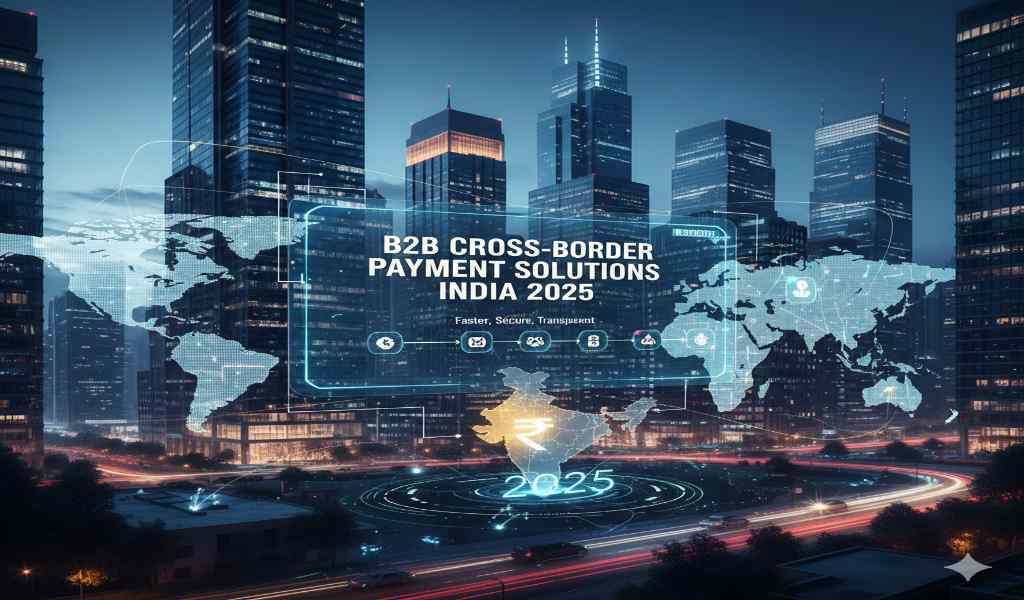
Have you ever wondered why sending money across borders for your business feels like navigating a maze? If you’re running a B2B operation in India, you’re not alone. The landscape of international payments is transforming rapidly, and 2025 marks a watershed moment for how Indian businesses handle cross-border transactions.
Let’s face it—the old ways of doing business simply don’t cut it anymore. Whether you’re importing raw materials from Germany, paying a software vendor in the United States, or receiving payments from clients in Southeast Asia, you need solutions that are fast, affordable, and reliable. That’s exactly what we’re diving into today.
Understanding the Cross-Border Payment Landscape in India
What Are B2B Cross-Border Payment Solutions?
Think of B2B cross-border payment solutions as the digital highways that connect your business bank account to international suppliers, partners, and clients. Unlike traditional wire transfers that can take days and cost a fortune, modern payment solutions leverage technology to make international transactions seamless.
These platforms handle everything from currency conversion to regulatory compliance, making it easier for you to focus on what matters most—growing your business. In 2025, these solutions have become more sophisticated, incorporating artificial intelligence, blockchain technology, and real-time settlement capabilities.
Why 2025 Is a Pivotal Year for Indian Businesses
India’s digital payment infrastructure has reached remarkable maturity. With initiatives like UPI gaining global recognition and the Reserve Bank of India (RBI) pushing for more streamlined international payment corridors, 2025 represents a turning point. The introduction of new B2B cross-border payment solutions India 2025 has democratized access to global markets for businesses of all sizes.
According to recent industry reports, India’s cross-border payment volume is expected to exceed $200 billion this year, driven by expanding export markets and increasing digital adoption among SMEs.
Key Challenges in Traditional International B2B Payments
High Transaction Costs and Hidden Fees
Remember the last time you sent an international payment and wondered where half your money went? Traditional banking channels often layer multiple fees—correspondent bank charges, SWIFT fees, currency conversion margins—that can eat up 3-5% of your transaction value.
For a business processing millions in international payments annually, that’s a substantial amount left on the table.
Lengthy Settlement Times
Time is money, especially in business. Traditional wire transfers can take anywhere from 2 to 5 business days to settle. During this period, your funds are essentially in limbo—neither with you nor with your recipient. This delay creates significant challenges for cash flow management and can strain relationships with international partners who expect prompt payment.
The Impact on Cash Flow Management
When your payments take days to clear, it creates a ripple effect across your entire business operation. You might need to maintain larger cash reserves, which ties up capital that could be deployed elsewhere. Worse, unpredictable settlement times make financial forecasting a guessing game.
Top B2B Cross-Border Payment Solutions Available in India 2025
Digital Payment Platforms
Modern fintech platforms have revolutionized how Indian businesses handle international payments. Solutions like Wise Business (formerly TransferWise), Payoneer, and Indian players like Instarem and RemitGuru offer transparent pricing, competitive exchange rates, and settlement times that are measured in hours, not days.
These platforms typically operate on a peer-to-peer matching system or maintain local accounts in multiple countries, bypassing traditional correspondent banking networks entirely. The result? Lower costs and faster transfers.
Blockchain-Based Solutions
Blockchain technology isn’t just for cryptocurrency enthusiasts anymore. Several providers now offer blockchain-powered B2B payment solutions that enable near-instantaneous cross-border transfers with unprecedented transparency. Every transaction is recorded on an immutable ledger, providing complete audit trails—a feature that finance teams absolutely love.
Companies like Ripple have partnered with Indian financial institutions to offer enterprise-grade blockchain payment solutions specifically designed for high-volume B2B transactions.
Traditional Banking Channels Reimagined
Don’t write off traditional banks just yet. Major Indian banks like ICICI, HDFC, and Axis have launched modernized cross-border payment products that combine the security and trust of established banking with digital efficiency. These solutions often integrate with your existing business banking relationship, making adoption smoother for enterprises with established banking partnerships.
Benefits of Modern Cross-Border Payment Solutions for Indian Businesses
Cost Efficiency and Transparency
Would you rather pay a flat, transparent fee or deal with hidden charges that surprise you at settlement? Modern payment solutions typically offer upfront pricing with no hidden costs. You know exactly how much you’re paying and what exchange rate you’re getting—no surprises, no fine print nightmares.
Many platforms offer rates that are 40-60% cheaper than traditional banking channels, which can translate to significant savings over time.
Speed and Real-Time Processing
Imagine sending payment to your London supplier on Monday morning and having it settled by Monday evening. That’s the reality with contemporary B2B cross-border payment solutions India 2025. Real-time or near-real-time processing has become the standard rather than the exception.
This speed advantage isn’t just about convenience—it’s about competitive positioning. When you can pay suppliers faster, you often negotiate better terms, discounts, and strengthen business relationships.
Enhanced Security and Compliance
With increasing regulatory scrutiny around international payments, compliance isn’t optional—it’s essential. Modern payment platforms incorporate advanced KYC (Know Your Customer) protocols, AML (Anti-Money Laundering) screening, and automatic regulatory reporting.
These built-in compliance features protect your business from regulatory penalties while ensuring that every transaction meets both Indian and international standards. For more insights on digital payment security, check out TechByte Blog’s coverage on payment technologies.
How to Choose the Right Payment Solution for Your Business
Assessing Your Business Requirements
Not all payment solutions are created equal, and what works for a tech startup might not suit a manufacturing exporter. Start by asking yourself these questions:
- What’s your average transaction size?
- How frequently do you make international payments?
- Which countries do you transact with most often?
- Do you need multi-currency accounts?
- What level of integration do you need with your existing accounting systems?
Evaluating Provider Credentials
Here’s where due diligence becomes crucial. Look for providers that are:
- Licensed and regulated by appropriate authorities (RBI in India, FCA in UK, FinCEN in US, etc.)
- Financially stable with a proven track record
- Offering robust customer support in your time zone
- Providing clear documentation and transparent terms
Regulatory Compliance and RBI Guidelines
The Reserve Bank of India has specific guidelines for cross-border payments under the Liberalized Remittance Scheme (LRS) and Foreign Exchange Management Act (FEMA). Ensure your chosen provider complies with all RBI regulations, particularly regarding documentation requirements, reporting obligations, and transaction limits.
For businesses engaging in regular international trade, understanding these regulations isn’t optional—it’s fundamental to avoiding compliance issues that could disrupt your operations.
Implementation Best Practices
Integration with Existing Systems
The best payment solution in the world is useless if it doesn’t play well with your existing infrastructure. Look for platforms that offer:
- API integration capabilities for your accounting software (QuickBooks, Tally, SAP, etc.)
- Bulk payment processing for handling multiple transactions
- Automated reconciliation features
- Comprehensive reporting dashboards
A smooth integration minimizes disruption to your existing workflows and reduces the learning curve for your team. If you’re exploring broader fintech integration strategies, TechByte Blog’s fintech section offers valuable resources.
Training Your Finance Team
Technology is only as good as the people using it. Invest time in properly training your finance team on:
- Platform navigation and features
- Compliance protocols and documentation requirements
- Troubleshooting common issues
- Best practices for foreign exchange management
Most reputable providers offer comprehensive onboarding support, training materials, and ongoing customer success management.
Future Trends Shaping Cross-Border Payments
The Rise of Central Bank Digital Currencies (CBDCs)
India’s digital rupee pilot program represents a glimpse into the future of international settlements. As more countries launch their own CBDCs, we’re moving toward a world where cross-border B2B payments could happen directly between central banks, eliminating intermediaries entirely.
This development could dramatically reduce costs and settlement times while increasing transparency and security.
AI and Machine Learning in Payment Processing
Artificial intelligence is revolutionizing fraud detection, compliance screening, and even foreign exchange optimization. Modern payment platforms use machine learning algorithms to:
- Detect suspicious transaction patterns in real-time
- Predict optimal times for currency conversion
- Automate compliance documentation
- Provide intelligent payment routing for fastest settlement
As these technologies mature, we can expect even more efficient and intelligent B2B cross-border payment solutions India 2025 offerings. For more on how AI is transforming financial technology, explore TechByte Blog’s AI coverage.
Conclusion
Navigating the world of B2B cross-border payment solutions doesn’t have to be overwhelming. As we’ve explored, 2025 offers Indian businesses unprecedented access to efficient, cost-effective, and secure international payment options. Whether you’re a small exporter taking your first steps into global markets or an established enterprise looking to optimize your international payment infrastructure, the right solution can transform how you do business globally.
The key takeaway? Don’t settle for outdated payment methods that drain your resources and slow down your operations. Evaluate your needs, research your options, and choose a B2B cross-border payment solutions India 2025 provider that aligns with your business goals. The future of international commerce is digital, transparent, and incredibly efficient—make sure your business is ready to capitalize on it.
FAQs
Q1: What are the typical costs associated with B2B cross-border payment solutions in India?
Modern B2B payment solutions typically charge between 0.5% to 2% of the transaction value, significantly lower than traditional banks that can charge 3-5%. Some platforms offer flat fees for larger transactions, while others use tiered pricing based on volume. Always request detailed pricing information and compare the total cost, including exchange rate margins.
Q2: How long does it take to set up a B2B cross-border payment account?
Account setup varies by provider but generally takes 2-5 business days. You’ll need to complete KYC verification by submitting business registration documents, bank statements, and identity proof for authorized signatories. Some digital-first platforms offer faster onboarding with instant provisional access while final verification is completed.
Q3: Are blockchain-based payment solutions legal for B2B transactions in India?
Yes, blockchain-based payment solutions that facilitate fiat currency transfers are legal in India, provided they comply with RBI regulations and FEMA guidelines. These solutions use blockchain for settlement infrastructure while transactions are still conducted in traditional currencies. However, direct cryptocurrency payments for international trade remain restricted under current RBI guidelines.
Q4: Can small businesses with limited international transaction volumes benefit from modern payment solutions?
Absolutely! Many modern platforms cater specifically to SMEs with no minimum transaction requirements and pay-as-you-go pricing models. Even if you only make occasional international payments, the savings on each transaction and improved cash flow management make these solutions worthwhile. Some providers even offer free tier services for very low-volume users.

