

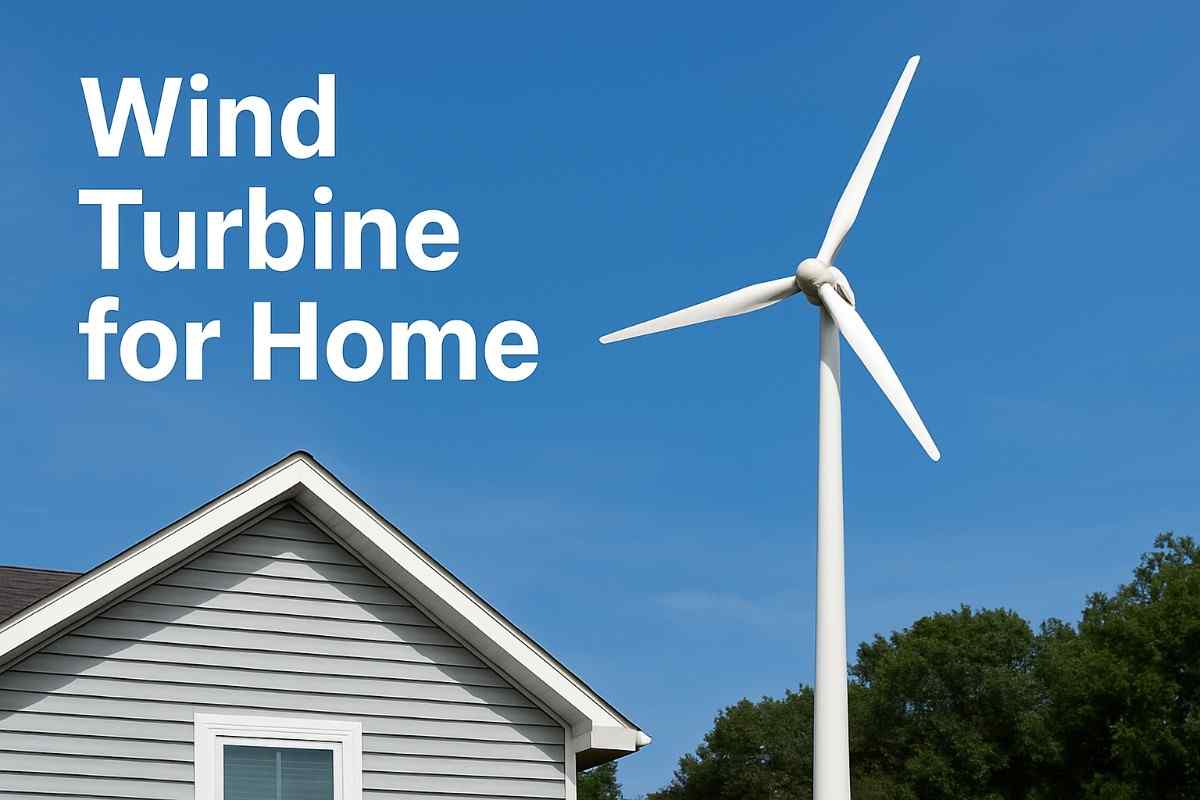
What is a Home Wind Turbine and How Does It Work?
Imagine harnessing the invisible power that rustles through your backyard trees and converting it into electricity for your home. That’s exactly what a wind turbine for home use does – it captures kinetic energy from moving air and transforms it into clean, renewable electricity.
A residential wind turbine operates on a surprisingly simple principle. When wind flows across the specially designed blades, it creates lift (similar to airplane wings), causing the rotor to spin. This rotation drives a generator that produces electricity, which then flows through an inverter to convert it into usable household power.
The beauty of home wind energy lies in its consistency. While solar panels only work during daylight hours, your wind turbine for home can generate electricity 24/7, as long as there’s sufficient wind. Think of it as having a tireless worker on your property, constantly converting nature’s energy into savings on your electric bill.
Types of Residential Wind Turbines
Horizontal Axis Wind Turbines (HAWT)
Horizontal axis turbines are what most people picture when they think of wind power – the classic three-bladed design you see on wind farms. For residential use, these turbines typically range from 400 watts to 20 kilowatts.
HAWTs are incredibly efficient because they can automatically orient themselves to face the wind direction. However, they require taller towers (usually 30-140 feet) to access cleaner, more consistent wind speeds above ground-level turbulence.
Vertical Axis Wind Turbines (VAWT)
Vertical axis turbines spin around a vertical shaft and look quite different from their horizontal cousins. They resemble giant egg beaters or helical sculptures. These turbines offer several advantages for homeowners: they’re quieter, work with wind from any direction, and require less maintenance since the gearbox and generator are located at ground level.
While VAWTs are generally less efficient than HAWTs, they’re often more suitable for suburban environments where space is limited and noise concerns are paramount.
Benefits of Installing a Wind Turbine for Home Use
Environmental Impact and Sustainability
Installing a wind turbine for home use is like planting dozens of trees every year in terms of environmental benefit. A single residential wind turbine can offset 1.2 to 3.6 tons of CO2 annually – equivalent to taking a car off the road for thousands of miles.
Wind energy produces zero emissions during operation, making it one of the cleanest energy sources available. Unlike fossil fuels, wind is inexhaustible and doesn’t contribute to air or water pollution.
Financial Benefits and Energy Independence
The financial advantages of home wind power extend far beyond monthly savings on your electricity bill. Many states offer rebates, tax credits, and net metering programs that can significantly reduce your initial investment and ongoing costs.
Energy independence becomes increasingly valuable as utility rates continue rising. Your wind turbine for home acts as a hedge against future energy price increases, potentially saving thousands of dollars over its 20-25 year lifespan.
Reliability and Performance
Modern residential wind turbines are engineered to withstand harsh weather conditions, including high winds, ice storms, and extreme temperatures. Many come with automatic shut-off systems that protect the equipment during severe weather events.
Unlike solar panels that can be affected by dust, snow, or shading, wind turbines maintain consistent performance as long as there’s adequate wind flow. This reliability makes them excellent complementary systems for homes already using solar energy.
Key Factors to Consider Before Installation
Wind Resource Assessment
Before investing in a wind turbine for home installation, you need to understand your local wind patterns. Wind speed is crucial – most turbines require minimum wind speeds of 7-10 mph to begin generating electricity, with optimal performance occurring at 15-25 mph.
Professional wind assessments typically involve installing an anemometer on your property for several months to collect accurate data. However, you can get preliminary information from online wind maps and local weather stations.
Zoning Laws and Permits
Navigating local regulations can be one of the most challenging aspects of installing a residential wind turbine. Many municipalities have height restrictions, setback requirements, and noise ordinances that may affect your installation options.
Some homeowners associations prohibit wind turbines entirely, while others require architectural approval. Research these requirements early in your planning process to avoid costly surprises later.
Property Size and Location Requirements
Your property needs adequate space not just for the turbine itself, but also for safety setbacks. Most experts recommend having at least one acre of land, with the turbine positioned away from obstacles like buildings, trees, and power lines that can create turbulence.
Turbulence can reduce efficiency by up to 25% and increase wear on turbine components. The general rule is to install your turbine at least 30 feet higher than any obstacle within 300 feet.
Installation Process and Costs
Professional Installation vs. DIY Options
While some smaller turbines can be self-installed, most wind turbines for home use require professional installation due to the complexity of electrical connections, tower construction, and safety considerations.
Professional installation ensures proper grounding, appropriate electrical connections, and compliance with local codes. The cost typically ranges from $3,000 to $8,000 for installation, depending on turbine size and site complexity.
Total Investment and Payback Period
The total cost for a complete residential wind system ranges from $10,000 to $50,000, including the turbine, tower, installation, and permits. Smaller systems (1-5 kW) typically cost $3,000-$15,000, while larger systems (10-20 kW) can reach $50,000 or more.
Payback periods generally range from 6-15 years, depending on local wind resources, electricity rates, and available incentives. In areas with excellent wind resources and high electricity costs, some homeowners see payback in as little as 4-6 years.
Maintenance and Troubleshooting
Routine Maintenance Requirements
A properly installed wind turbine for home requires minimal maintenance, but regular inspections are essential for optimal performance and safety. Annual maintenance typically includes checking bolt tightness, inspecting blades for damage, and lubricating moving parts.
Most manufacturers recommend professional maintenance every 2-3 years, which costs approximately $200-$400 per visit. This investment helps ensure your turbine operates efficiently throughout its expected 20-25 year lifespan.
Common Issues and Solutions
The most common problems with residential wind turbines include blade imbalance, bearing wear, and electrical connections. Unusual vibrations, decreased power output, or strange noises often indicate maintenance needs.
Many modern turbines include monitoring systems that track performance and alert owners to potential issues. This technology helps prevent minor problems from becoming major repairs.
Comparing Wind Energy to Other Renewable Options
When evaluating renewable energy options for your home, it’s important to consider how wind power compares to alternatives like solar energy systems and battery storage solutions.
Wind and solar energy complement each other beautifully – when the sun isn’t shining, the wind often blows, and vice versa. Many homeowners find that combining both technologies provides more consistent renewable energy production throughout the year.
Unlike solar panels that have decreased in price significantly over recent years, wind turbine costs have remained relatively stable. However, wind turbines often have longer lifespans and can generate electricity in conditions where solar panels cannot.
For homeowners interested in comprehensive renewable energy solutions, exploring smart home automation protocols can help optimize energy usage and maximize the benefits of your wind turbine investment.
Future of Home Wind Energy Technology
The residential wind energy sector continues evolving with exciting technological advances. Newer turbine designs focus on reducing noise, improving efficiency at lower wind speeds, and integrating with smart home energy management systems.
Advances in materials science are producing lighter, stronger blades that perform better in varying wind conditions. Additionally, improved inverter technology and battery storage systems are making it easier to store and use wind-generated electricity when you need it most.
As utility companies increasingly embrace fintech innovations for energy trading, homeowners with wind turbines may soon have more opportunities to sell excess electricity back to the grid at favorable rates.
Conclusion
A wind turbine for home use represents more than just an alternative energy source – it’s an investment in energy independence, environmental stewardship, and long-term financial savings. While the initial investment may seem substantial, the combination of reduced electricity bills, available incentives, and environmental benefits makes residential wind power an attractive option for many homeowners.
Success with home wind energy depends largely on careful planning, proper site assessment, and realistic expectations about performance and costs. If you have adequate wind resources and suitable property, a residential wind turbine can provide decades of clean, renewable electricity while reducing your carbon footprint and energy expenses.
The key is working with experienced professionals who can help you navigate the technical requirements, local regulations, and financial considerations to determine if wind power is right for your specific situation.
FAQs
Q: How much wind do I need for a home wind turbine to be effective? A: Most residential wind turbines require sustained wind speeds of at least 10-15 mph to generate meaningful electricity. Ideally, your location should have average annual wind speeds of 12+ mph for optimal performance and reasonable payback periods.
Q: Are home wind turbines noisy enough to bother neighbors? A: Modern residential wind turbines are much quieter than older designs, typically producing 40-50 decibels at normal operating speeds – similar to moderate rainfall or a quiet conversation. Proper installation and quality equipment minimize noise concerns.
Q: Can a home wind turbine power my entire house? A: This depends on your energy consumption and local wind resources. A 5-10 kW turbine in a good wind location can potentially meet 50-90% of an average home’s electricity needs, while smaller turbines (1-3 kW) typically offset 10-40% of usage.
Q: What happens to my wind turbine during storms or high winds? A: Quality residential wind turbines include automatic safety systems that shut down or adjust blade angles during extreme weather. Most are designed to withstand winds up to 120+ mph when properly installed, though they stop generating electricity during dangerous conditions.
Explore more Green Technology Tools
- Triton Inference Server: A Deep Dive and Critical Review for Production Deployment
- Smart Home Automation Protocols: The Complete Guide to Building Your Connected Home in 2025
- Water Conservation Methods: How Digital Professionals Can Make a Real Impact
- Battery Management Systems: Modern Energy Storage Intelligence
- Electric Car Maintenance: Keep Your EV Running Like New

