

Introduction
Have you ever wondered why your energy bills seem to skyrocket each month? Or why certain rooms in your home are colder than others? A Home energy audit might just be the solution you need. This valuable process helps identify where your home is losing energy and what steps you can take to make it more efficient. Not only does this save you money, but it also reduces your carbon footprint and boosts your home’s comfort. In today’s world, where energy efficiency is more important than ever, understanding how your home consumes energy is crucial. Whether you’re looking to cut costs, reduce your environmental impact, or simply make your home more comfortable, a home energy audit is the first step toward achieving those goals. In this guide, we’ll explore everything you need to know about home energy audits, from their benefits to how they’re conducted, and even how to maximize results. Let’s dive in!
What is a Home Energy Audit?
A home energy audit is an assessment of your home’s energy use. Its primary goal is to identify inefficiencies like air leaks, outdated appliances, or inadequate insulation, which may be driving up your energy bills.During the process, energy professionals or homeowners themselves inspect various elements of the house, such as HVAC systems, insulation, and windows. A detailed report is then generated, outlining specific recommendations to improve energy efficiency.Think of it as a health check-up for your home. Just as a doctor identifies areas of concern in your body, a home energy audit pinpoints areas where your home is wasting energy. This process not only helps you save money but also ensures your home is functioning at its best.
Benefits of Conducting a Home Energy Audit
1. Energy Savings
One of the most immediate benefits of a home energy audit is reduced utility costs. By addressing areas of energy waste, you can lower your energy consumption and save money every month. For example, sealing air leaks or upgrading to energy-efficient appliances can lead to significant savings over time.
2. Environmental Impact
Did you know that improving your home’s energy efficiency can significantly reduce your carbon footprint? A home energy audit helps you adopt greener practices, contributing to a healthier planet. By using less energy, you’re also reducing the demand for fossil fuels, which are a major contributor to climate change.
3. Increased Property Value
Energy-efficient homes are in high demand. Making upgrades based on an energy audit can boost your home’s value and appeal to eco-conscious buyers. In fact, many buyers are willing to pay a premium for homes that come with energy-efficient features, such as solar panels or upgraded insulation.
4. Enhanced Comfort
No more drafty rooms or inconsistent temperatures! A home energy audit pinpoints issues that affect your comfort, ensuring every corner of your home feels just right. Whether it’s sealing gaps around windows or improving your HVAC system, these changes can make a noticeable difference in your daily life.
5. Long-Term Savings
While some energy-efficient upgrades may require an upfront investment, the long-term savings often outweigh the costs. For instance, installing a smart home thermostat or upgrading to ENERGY STAR appliances can pay for themselves in just a few years through reduced energy bills.
Signs You Need a Home Energy Audit
How do you know if it’s time for a home energy audit? Here are some common signs:
- Sky-high energy bills: Are your electricity and heating costs unusually high? This could indicate inefficiencies in your home’s energy use.
- Drafty rooms: Do you feel cold air seeping in during winter months? Drafts are a clear sign of air leaks that need to be addressed.
- Outdated appliances: Older appliances are often energy hogs. Replacing them with modern, energy-efficient models can make a big difference.
- Uneven temperatures: If one room is freezing while another is warm, it’s a red flag that your home’s insulation or HVAC system may need attention.
- Frequent HVAC repairs: If your heating or cooling system is constantly breaking down, it may be time to evaluate its efficiency.
How to Perform a Home Energy Audit
DIY Energy Audit
If you’re on a budget, you can start with a DIY energy audit. While it won’t be as thorough as a professional assessment, it can still help you identify major issues. Here are some steps:
- Check for air leaks: Inspect doors, windows, and vents for drafts. Use a candle or incense stick to detect airflow around these areas.
- Inspect insulation: Look at your attic and walls to ensure proper insulation. Poor insulation is one of the leading causes of energy loss.
- Evaluate HVAC systems: Check filters and overall efficiency. Dirty filters or outdated systems can significantly impact energy use.
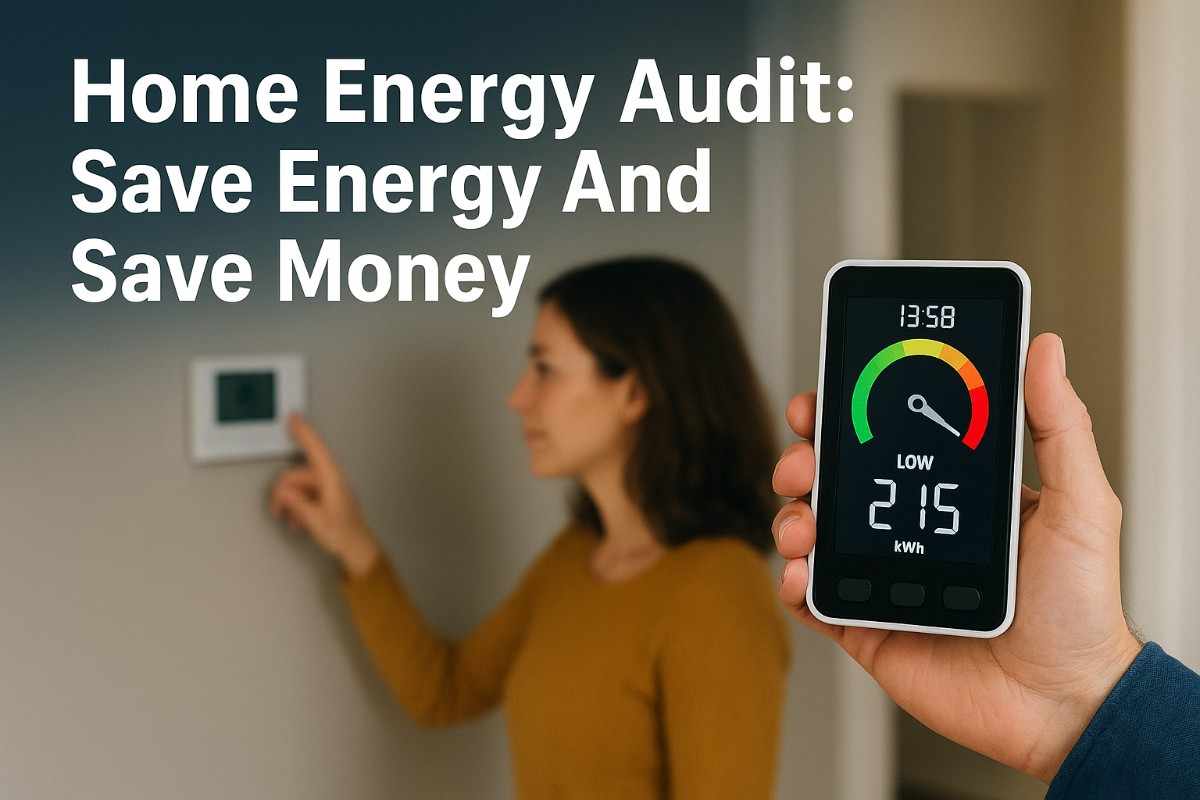
- Use energy monitoring tools: Devices like smart thermostats or energy meters can help track your energy usage and identify patterns.
Professional Energy Audit
For a deeper analysis, hire a professional energy auditor. They use advanced tools like blower doors, infrared cameras, and duct blasters to detect hidden inefficiencies. Here’s what to expect during a professional audit:
- Initial consultation: The auditor will discuss your energy concerns and gather information about your home.
- Inspection: They’ll examine your home’s insulation, HVAC systems, windows, and appliances.
- Testing: Tools like blower doors are used to measure air leakage, while infrared cameras detect heat loss.
- Report: You’ll receive a detailed report with recommendations tailored to your home’s needs.
Top Tips to Maximize Your Energy Efficiency After an Audit
Once you’ve completed your audit, it’s time to take action! Here’s how:
- Seal air leaks: Use weatherstripping or caulking to close gaps in doors and windows. This is one of the most cost-effective ways to improve energy efficiency.
- Upgrade appliances: Look for ENERGY STAR-rated models, which are designed to use less energy without sacrificing performance.
- Improve insulation: Focus on your attic, walls, and basement to retain more heat in the winter and keep your home cooler in the summer.
- Optimize HVAC systems: Regular maintenance, such as cleaning filters and scheduling tune-ups, can make a big difference. Consider upgrading to a high-efficiency system if your current one is outdated.
- Install a smart thermostat: These devices allow you to control your home’s temperature remotely and can learn your habits to optimize energy use.
The Cost of a Home Energy Audit
A professional home energy audit typically costs between $200 and $600, depending on your location and home size. While this may seem pricey, the potential savings on your energy bills and the increased comfort of your home make it a worthwhile investment.For those on a tight budget, many utility companies offer free or discounted energy audits. Be sure to check with your local provider to see if this option is available.
Conclusion
A home energy audit is a simple yet powerful way to save energy, reduce costs, and create a more comfortable home. Whether you choose to DIY or hire a professional, the insights gained from an audit can lead to significant improvements in your home’s efficiency.By taking action on the recommendations provided, you’ll not only save money but also contribute to a more sustainable future. So why wait? Take the first step toward a greener, more cost-effective home today!
FAQs
1. What is included in a professional home energy audit?
A professional audit typically includes inspections of insulation, HVAC systems, windows, and appliances, along with tests for air leaks and energy flow.
2. How often should you perform a home energy audit?
It’s recommended to conduct a home energy audit every 5 years or whenever you notice significant increases in energy bills.
3. Can I do a home energy audit myself?
Yes, you can perform a basic DIY audit by checking for leaks, inspecting insulation, and using energy monitoring tools. However, a professional audit is more thorough.
4. How much money can I save with a home energy audit?
On average, homeowners can save 10-30% on their energy bills by implementing recommendations from an energy audit.
5. Is a home energy audit worth it for older homes?
Absolutely! Older homes often have outdated systems and poor insulation, making them prime candidates for energy-saving improvements.
Explore more Green Technology Tools
- Wind Turbine for Home
- Triton Inference Server: A Deep Dive and Critical Review for Production Deployment
- Carbon Footprint Tracking Software: A Vital Tool for Sustainable Business Practices
- Easy Flashing FRP Bypass 8.0 APK: What You Need to Know Before Attempting
- Electric Car Maintenance: Keep Your EV Running Like New

